Introduction
Installing brewery equipment requires precision and expertise to avoid costly mistakes. Whether you're setting up fermentation tanks or configuring your entire brewery system, common installation errors can lead to operational inefficiencies and safety hazards. This guide highlights 5 critical mistakes to avoid when installing brewery equipment, helping procurement specialists and project managers ensure smooth commissioning and long-term performance. Learn how proper planning and execution can save your craft or industrial brewery time, money, and headaches.
1. Neglecting Proper Site Preparation
One of the most common mistakes in brewery equipment installation is inadequate site preparation. The installation area must meet specific requirements for floor load capacity, drainage, and utility connections. Many projects face delays when discovering uneven floors or insufficient electrical supply after equipment delivery.
Key considerations for site preparation include:
- Floor slope of 1-2% for proper drainage
- Minimum ceiling height of 4-5 meters for fermentation tanks
- Electrical capacity of 200-400V for industrial systems
- Water supply pressure of 3-5 bar for optimal performance
Proper site assessment should be conducted 4-6 weeks before equipment delivery to allow for any necessary modifications. This prevents costly project delays and ensures all systems can be properly integrated.
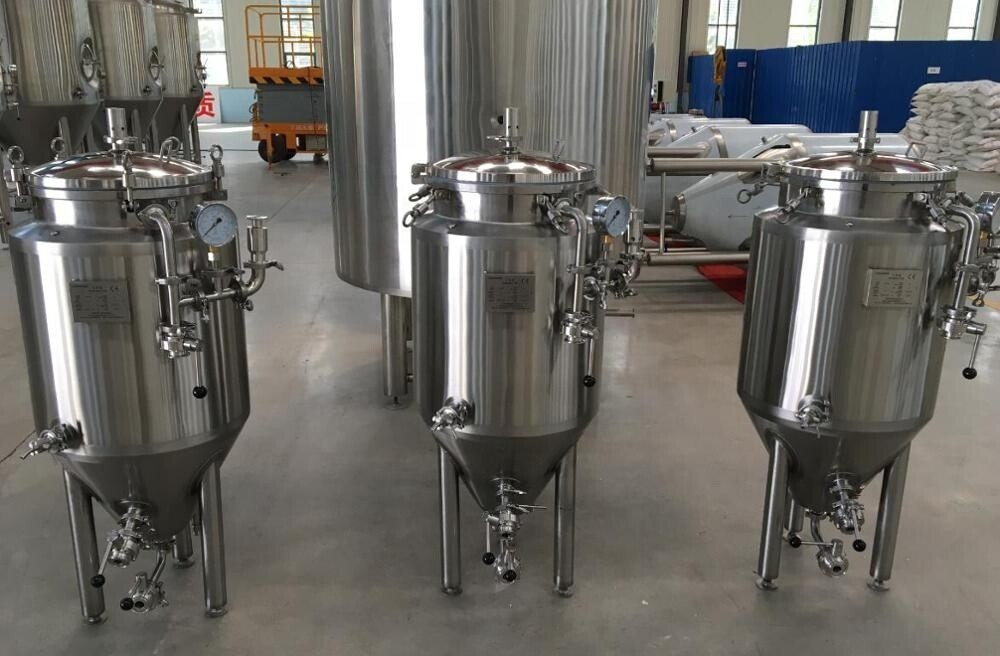
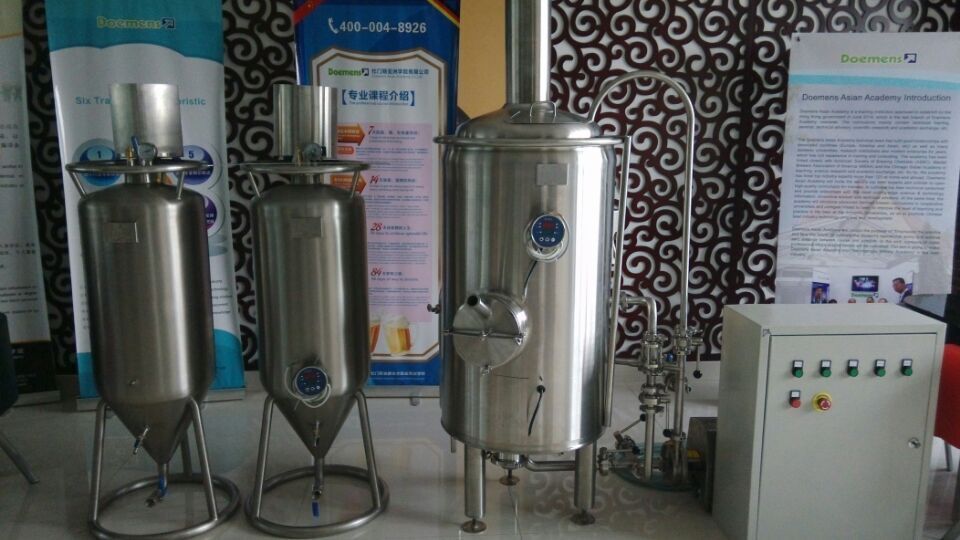
2. Improper Equipment Layout Planning
Many breweries make the mistake of focusing solely on individual equipment pieces rather than the entire production flow. Poor layout can increase labor costs by 15-20% due to inefficient movement between stations.
Critical workflow considerations include:
- Minimizing pipe runs between vessels (ideal: under 5m)
- Grouping temperature-controlled areas
- Creating logical progression from raw materials to packaging
- Allowing 1-1.5m walkways for maintenance access
Common Layout Mistakes
The most frequent layout errors we see in brewery installations include:
- Placing hot brewhouse equipment too close to fermentation tanks
- Insufficient space around tanks for cleaning and maintenance
- Poor positioning of control panels relative to operator stations
3. Overlooking Sanitation Requirements
Sanitation is critical in brewery operations, yet many installations fail to properly account for cleaning needs. CIP (Clean-in-Place) systems require specific design considerations that are often overlooked during initial installation.
Proper sanitation design can reduce cleaning time by 30-40% and significantly lower chemical usage. All surfaces should have a surface roughness (Ra) of less than 0.8μm to prevent bacterial buildup.
4. Inadequate Utility Planning
Brewery equipment requires precise utility specifications that many installations fail to meet. Common issues include undersized electrical service, insufficient water pressure, and improper steam system design.
Key utility requirements for a 10HL system typically include:
- Water: 3-5m³ per brew at 3-5 bar pressure
- Electricity: 30-50kW total load
- Steam: 100-150kg/hr at 2-3 bar
- Compressed air: 0.5-1m³/min at 6-8 bar
Utility Integration Mistakes
The most costly utility mistakes often involve:
- Failing to account for peak simultaneous usage
- Improperly sized pipework causing pressure drops
- Inadequate ventilation for CO2 removal
5. Skipping Professional Commissioning
Many breweries attempt to save costs by skipping professional commissioning, only to face operational issues later. Proper commissioning typically takes 3-5 days for a small system and ensures all equipment operates as intended.
Critical commissioning steps include:
- Pressure testing all vessels and piping
- Verifying temperature control accuracy (±0.5°C)
- Testing safety systems and alarms
- Calibrating all instruments and controls
Conclusion and Next Steps
Avoiding these common installation mistakes can save your brewery significant time and money while ensuring optimal equipment performance. Proper planning, professional installation, and thorough commissioning are investments that pay dividends throughout your equipment's lifespan.
For breweries looking to expand or upgrade their operations, Jinan Lushine Machinery offers complete turnkey solutions from design to commissioning. Our expertise in brewery equipment installation helps clients avoid these common pitfalls while maximizing operational efficiency.
Contact our engineering team today to discuss your specific brewery equipment needs and receive a customized installation plan that addresses all these critical factors.
Get real-time quotes
Interested? Leave your contact details.